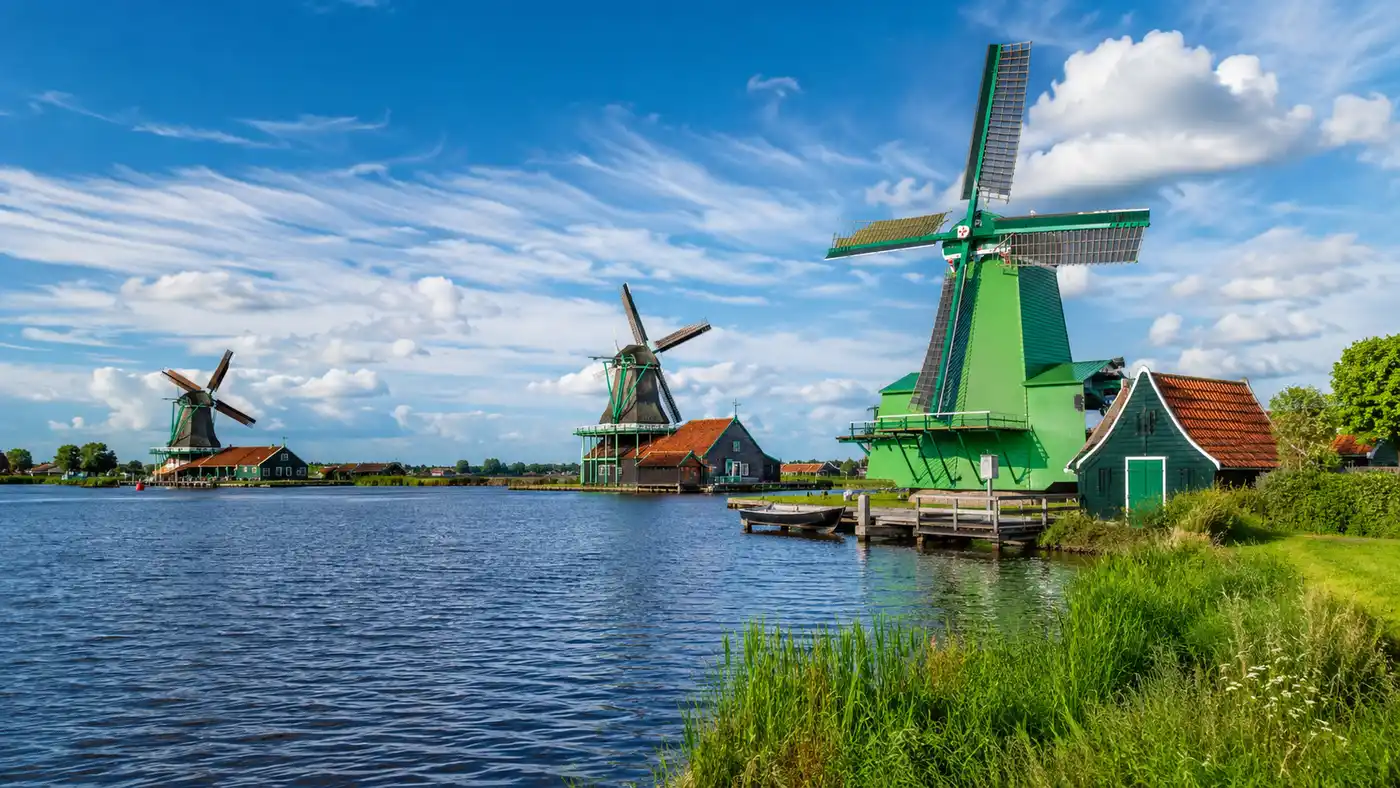
The Historic Windmills of Zaanse Schans
Stepping onto the grounds of Zaanse Schans feels a bit like traveling back in time. You immediately notice the distinctive green wooden houses, the canals, and those majestic, towering structures that define the Dutch landscape. These are the historic windmills Netherlands is so proud of, and at Zaanse Schans, they stand as living testaments to a bygone era of ingenuity and industry. This article will guide you through the rich history and practical functions of these iconic Zaanse Schans windmills. We will explore the unique purposes each mill served, offer tips for experiencing them firsthand, and talk about why this particular spot, just a short hop from Amsterdam, remains such a captivating destination for anyone interested in Dutch heritage.Book your zaanse schans experience:
A Glimpse into Dutch Industrial Heritage
The Zaan region, where Zaanse Schans is located, was once a bustling industrial area. Hundreds of windmills dotted the landscape by the 18th century. They powered the local economy, grinding spices, sawing timber, pressing oil, and creating pigment for paint. These old Dutch windmills were the engines of prosperity long before steam or electricity changed everything. It is truly fascinating to consider the sheer scale of their operation. Each traditional Dutch windmill was a complex machine, a marvel of engineering for its time. They harnessed the constant winds coming off the North Sea, converting that raw power into useful work. This allowed the Netherlands to become a dominant force in trade and manufacturing for centuries. The Zaanse Schans site preserves a small, yet very representative, collection of these crucial structures.The Working Mills - More Than Just Scenery
Many visitors come just to snap photos of the famous Dutch windmills, which is understandable. They are incredibly photogenic. But the real magic happens when you step inside and see them in action. These are not just static displays; several mills still operate, demonstrating their original functions. The sound alone, the creaking wood and the grinding gears, tells a story of tireless work. Take for instance, De Kat, the paint mill. This `verfmolen de kat zaanse schans` is the only remaining operational paint mill in the world, crushing chalk and pigments into fine powders. It is quite loud in there, honestly, and you can smell the minerals. Then there is De Huisman, which is a `mosterdmolen de huisman zaanse schans`. It grinds mustard seeds, and you can even buy fresh mustard inside. Each `zaanse schans mill` has its own personality and story.Pro tip: Plan to spend at least 45 minutes inside any mill you enter. The explanations from the millers are usually quite good, and you will want time to climb the narrow stairs and take in the views from the upper levels.
| Windmill Name | Primary Purpose | Entrance Fee (approx.) |
|---|---|---|
| De Kat | Paint Production | €5.00 |
| De Huisman | Mustard Grinding | €3.00 |
| De Zoeker | Oil Production | €5.00 |
| Het Jonge Schaap | Sawmill | €5.00 |
Exploring the Windmills Up Close
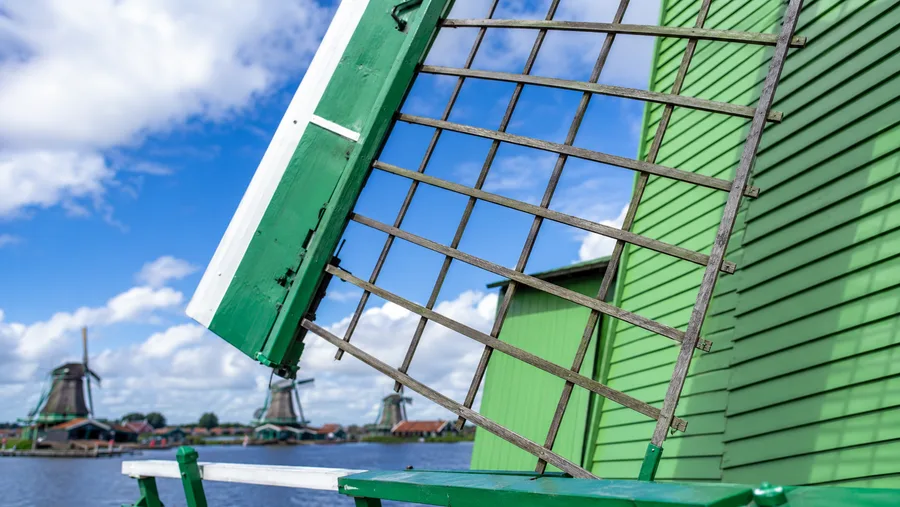
Visiting a `dutch windmill` means more than just looking at it from the outside. You really need to go inside. The interior of these structures is a maze of wooden gears, massive millstones, and incredibly steep ladders. It is a bit of a workout, but totally worth it. The millers are often on hand to explain how everything works, sometimes in multiple languages. They are usually very passionate about their work. Getting a Zaanse Schans Card can save you a bit of money if you plan to visit several mills and museums. Individual mill tickets are sold at each mill, usually for about €3 to €5 per person. Keep in mind that not all mills are open every day. It depends on the season and the availability of the millers. Some of the smaller ones might only be open a few days a week. For more detailed information on visiting, including specific opening times and ticket options, you might want to check out the Zaanse Schans Tickets, Opening Hours & Visitor Info article on this site.Note: The stairs inside the windmills are very steep and narrow. They are really more like ladders. People with mobility issues or very young children might find some of the upper levels challenging to access.
Book your zaanse schans experience:
Beyond the Blades - The Wider Zaanse Schans Experience
While the `historic windmills netherlands` are definitely the main draw, Zaanse Schans offers much more. The village itself is a living museum. You can wander through charming streets lined with traditional green houses. There are also several small museums and workshops that showcase other aspects of Dutch culture. For instance, you can visit a cheese farm, a clog workshop, or a baker's shop selling traditional Dutch sweets. The `zaanse schans museums & workshops` provide a great counterpoint to the industrial might of the mills. You could easily spend a full day here, especially if you take your time exploring everything. It is a very walkable place, and the scenery is just stunning. Sometimes I just sit by the water and watch the boats go by.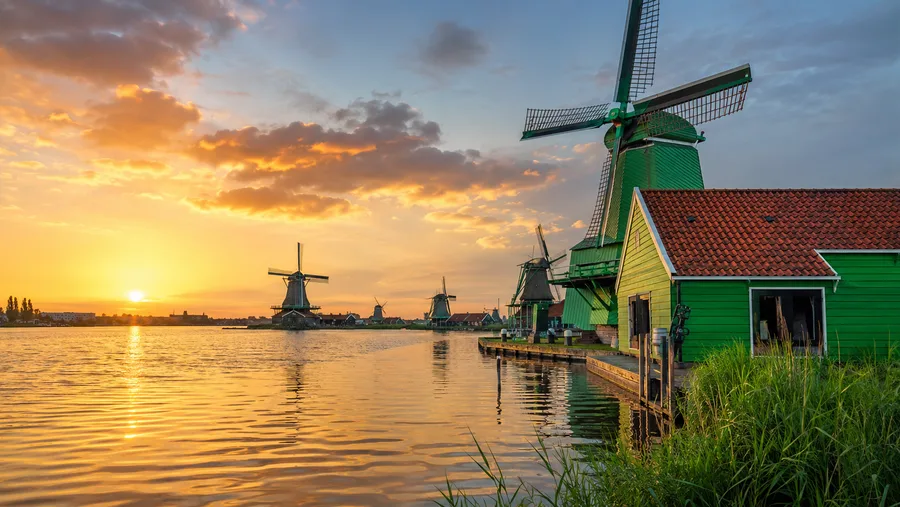
Making the Most of Your Trip to See the Zaanse Schans Windmills
Timing your visit can make a huge difference. Zaanse Schans can get very crowded, especially during peak season and around midday. I honestly think the best time to arrive is right when it opens, around 9:00 AM. You will have a couple of peaceful hours before the tour buses start rolling in. This gives you a chance to enjoy the quiet beauty of the place, maybe grab a coffee, and even get some amazing photos of the `famous dutch windmills` without hundreds of people in your shot. Getting to Zaanse Schans is surprisingly easy from Amsterdam. You can take a direct train from Amsterdam Central Station to Koog aan de Zaan or Zaandijk Zaanse Schans. The journey takes about 17 minutes. From the station, it is a pleasant 10-15 minute walk across a bridge to the village itself. There are also bus options. For more detailed directions and transport tips, check out this guide on how to get to Zaanse Schans from Amsterdam. Once you are there, the entire area is very pedestrian-friendly. Maybe consider renting a bike too. Here are some practical tips for your visit:- Arrive early: Beat the crowds and enjoy the tranquil morning atmosphere. Aim for 9:00 AM.
- Wear comfortable shoes: You will be doing a lot of walking on uneven paths and climbing steep stairs inside the mills.
- Check opening times: Not all mills are open daily. Verify schedules online or at the information center.
- Bring layers: The weather in the Netherlands can change quickly, even on a sunny day.
- Explore beyond the mills: Visit the cheese farm, clog workshop, and other museums for a complete experience.
Frequently Asked Questions about historic windmills netherlands
What is the main purpose of the Zaanse Schans windmills?
The windmills at Zaanse Schans served various industrial purposes, including grinding spices, sawing timber, pressing oil, and creating paint pigments. They were the engines of the local economy.
Are all the windmills at Zaanse Schans open to the public?
Several of the windmills are open to the public for a fee, allowing visitors to go inside and see their machinery in operation. Not all windmills are open every day, so it is wise to check schedules.
How much does it cost to enter the windmills?
Individual mill entry typically costs between €3 and €5 per person. A Zaanse Schans Card can offer better value if you plan to visit multiple mills and museums.
Quick Reference
- Location: Zaanstad, 17 km north of Amsterdam
- Main attraction: Historic industrial windmills
- Best time to visit: Early morning
- Entry: Free to village, fees for mills/museums
- Transport: Easy train or bus from Amsterdam
Book your zaanse schans experience:
My Take
Zaanse Schans is genuinely one of those places that lives up to the postcards. It is a carefully preserved slice of Dutch history, and the `historic windmills netherlands` are, without a doubt, the stars of the show. If you are looking for an authentic glimpse into how the Netherlands harnessed wind power to build an empire, this is it. Go early, take your time, and maybe even try some of that freshly ground mustard. You will leave with a real sense of connection to the past, and maybe even a few great photos.Read more about zaanse schans.